Wool Coat, Cold Glass: How to Order a Low-Alcohol Botanical in a November Pub Garden
The British pub garden in November is a study in stubbornness. The heaters are on, the blankets are damp, and the menu has quietly lost half its length since August. You still want to sit outside. Fair enough. But ordering a low-alcohol botanical drink in that setting takes more thought than it does in July, when a long glass of something cold and herbal is enough in itself.
This is not a case for staying indoors. It is a case for ordering better once you are out there. The cold sharpens your appetite for bitterness, warmth and texture, and it makes sugary drinks cloy faster. A November pub garden is actually a good place for a well-made low-alcohol botanical serve, provided you know what to ask for and what to refuse.
Read the Garden, Not Just the Menu
The first mistake is trusting the word botanical on a menu without asking what it means. In a pub, that word can cover a genuine infusion of gentian, rosemary or citrus peel, or it can mean a pink liquid with a picture of a leaf on the bottle. Ask the person behind the bar what the drink actually tastes like. If they can name a botanical, a bitterness level or a style, that is a good sign. If the answer is vague and the serve comes with lemonade by default, treat it as a soft drink with marketing rather than a botanical aperitif.
A menu that has thinned out for winter is not automatically a bad menu. It often means the pub is focusing on fewer things and doing them properly. Look for low-alcohol options that mention dryness, bitterness, citrus peel, herbs or spice. A 0.5% botanical beer, a low-alcohol aperitif served over ice, or a well-made alcohol-free spritz can all work outdoors. What you want is something with a little grip, not something that tastes like a dessert in a glass.
Spot the Serve Worth Ordering
A good cold-weather low-alcohol botanical serve usually has three things: a clear flavour direction, enough bitterness or acidity to cut through the cold, and carbonation that is lively rather than aggressive. If the drink is all sweetness and no edge, you will be bored by the second mouthful and cold by the third.
Ask whether the pub stocks a low-alcohol botanical aperitif or a 0.5% beer with actual herbal character. If the only option is a sweet spirit substitute, ask for it long with soda rather than lemonade, and request a wedge of lime or a strip of orange peel. If they have a low-alcohol pale ale or a botanical lager, ask for it in a half or a smaller glass if you are pacing yourself. There is no rule that says a November garden session has to involve a pint you did not really want.
Ask for the Glass You Actually Want
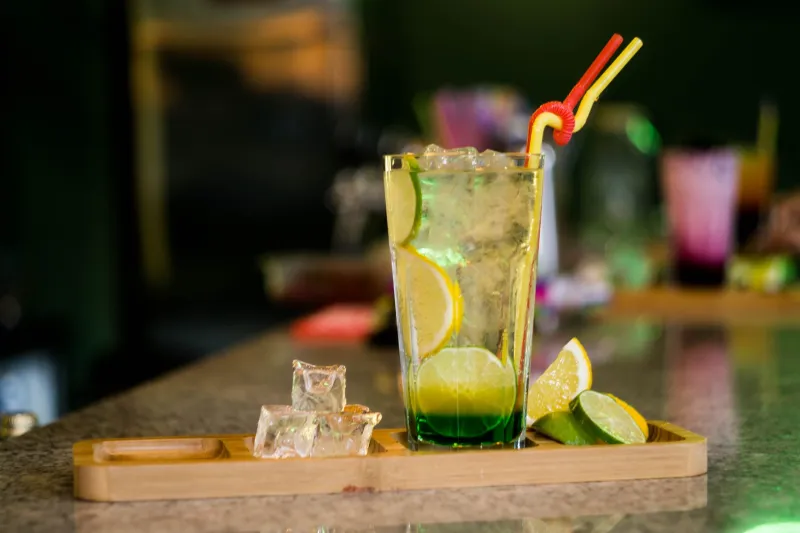
Glassware is not fussiness. It changes how a drink tastes and how quickly you drink it. A low-alcohol aperitif-style serve is better in a stemmed glass or a short tumbler with ice, because it keeps the aroma close and stops you gulping. A long botanical highball wants a highball glass, not a pint glass, so the carbonation holds and the garnish has somewhere to sit.
If the bar is quiet enough, ask. A decent pub will not mind. If it is rammed, make the request simple: a smaller glass, plenty of ice, and a bit of peel if they have it. Ice matters more than people think. In a cold garden, a drink with too little ice warms up fast and turns syrupy. Ask for ice even if the menu does not mention it.
Garnish Is Not Decoration
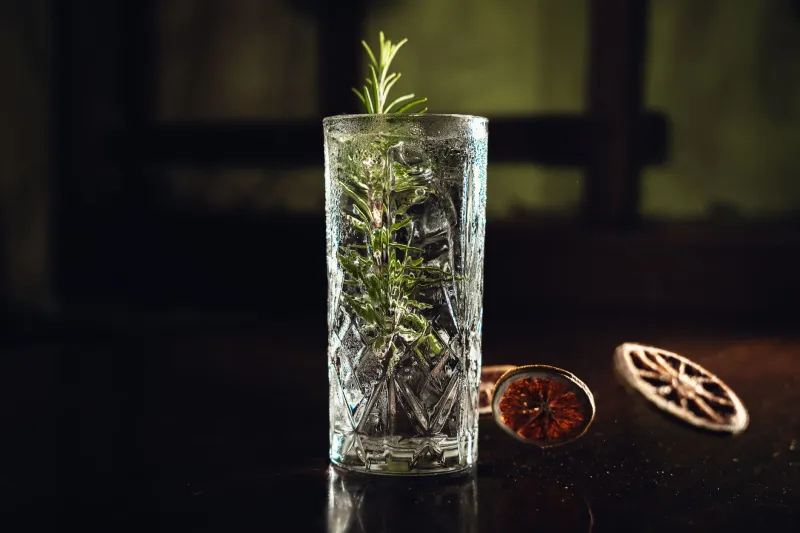
A garnish should do a job. Citrus peel adds oil and aroma. A sprig of rosemary or thyme gives a savoury lift that works well with low-alcohol botanicals. A slice of orange can soften a bitter edge, but only if the drink needs it. Ask what the bar has rather than demanding a full fruit bowl. A bartender with a lemon and a knife can do more for a drink than a menu offering a spiral of dried grapefruit that never arrives.
If the serve comes with a lot of fruit and not much else, ask for the fruit on the side. That way you can taste the drink first and add only what it needs. In November, a stripped-back garnish often feels more appropriate than a glass piled with summer fruit.
Pace the Session Like a Person, Not a Pint
Cold weather outdoor drinking has its own rhythm. You order faster when you are cold, and you drink faster when the glass is in your hand and the conversation is good. Low-alcohol drinks help here, but they are not a free pass. Pace yourself by ordering a smaller first round, then a hot drink or a glass of tap water before the next low-alcohol serve. If the pub has tea, use it. A pot of tea in a pub garden is not a failure of nerve; it is good tactics.
Alternate long and short serves. Start with something carbonated and light, then move to something shorter and more bitter over ice. Keep a jug of water on the table. If the only low-alcohol botanical option is sweet, ask for soda and a dash of something bitter, or choose a simple 0.5% beer and accept that it is not botanical. The point is not to force a theme. The point is to drink something you actually enjoy while your fingers go numb.
The Menu Shrinks; Your Standards Needn't
A November pub garden is not the place for perfection. Heaters fail, blankets smell of damp dog, and the low-alcohol list may be one line long. But you can still order with intent. Ask what the botanical drink tastes like. Ask for a smaller glass and more ice. Ask for peel rather than a handful of fruit. Order a half if a pint is too much. And if the only options are sweet mixers or a pint you did not want, drink water, have a tea, and save your appetite for the next pub that takes low-alcohol botanicals seriously.
The last outdoor pint of the year does not have to be a pint at all. It can be a cold glass of something bitter, herbal and low in alcohol, taken slowly under a heater while the garden goes dark around you. That is not a compromise. It is a better order.