The Sprig Speaks First: Reading the Garnish on a Low-Alcohol Botanical Pour
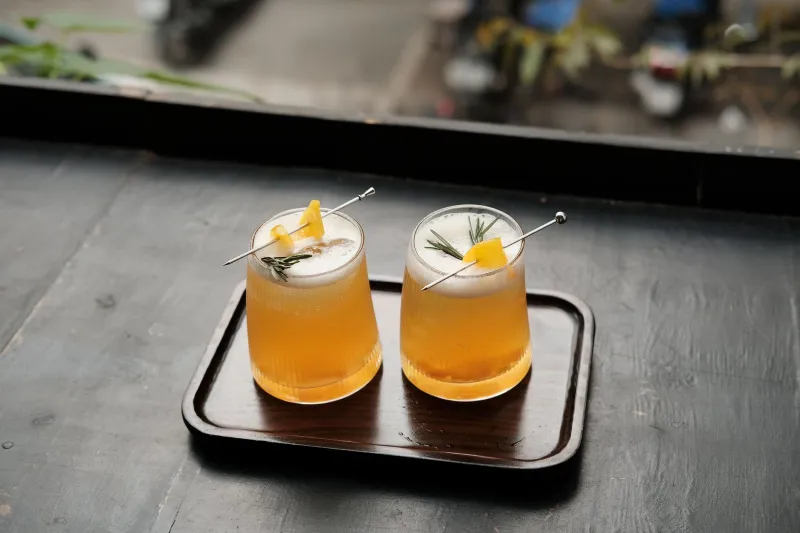
There is a moment, just before the first sip of a low-alcohol botanical drink, when the garnish does all the talking. A rosemary sprig standing to attention says somebody has thought about the glass. A lemon wedge slumped on the rim like a tired commuter says something else entirely. Neither changes the liquid underneath, but both change how you meet it.
This is not a plea for elaborate cocktail theatrics. It is an argument for treating the garnish as part of the drink rather than a leftover from the fruit bowl. In UK bars and at home, the sprig is often the first honest signal of whether a low-alcohol botanical serve has been built with care or simply assembled.
The garnish is a promise, not a decoration
A good garnish tells you what the drink wants to be. Citrus peel suggests brightness and a little bite. A soft herb suggests greenness and calm. A dehydrated wheel of blood orange suggests someone has been patient with a mandoline and a low oven. None of these are merely pretty. They are aromatic cues, released as you lift the glass, and they prepare the palate for what follows.
The problem is that too many garnishes are treated as afterthoughts. You see it in pubs and hotel bars across the country: the same tired lemon wedge, cut before service and left to dry at the edges, pushed onto every glass regardless of whether the drink is bitter, herbal or sparkling. It is the equivalent of putting the same scarf on every coat. It does not ruin the drink, but it tells you nobody was really listening.
A garnish should answer a simple question: what does this drink need you to notice first? If the answer is nothing, leave the glass alone. A clean rim is more honest than a random sprig.
What the sprig is saying
Rosemary is the hardest-working garnish in the low-alcohol botanical world, and also the most overused. On a bitter, resinous drink it earns its place. The oils in the needle lift the gentian and rhubarb notes without competing with them. On a delicate elderflower sparkler, it can flatten the whole thing like a heavy coat on a mild day.
Thyme is gentler and often smarter. A small sprig laid across the top of a herbal low-alcohol serve gives a savoury edge that feels grown-up without shouting. Mint, meanwhile, is not a universal sign of refreshment. On a sweet, fruit-led drink it can work, but on a bitter aperitif-style pour it often reads as a leftover mojito gesture. Use it when the drink is green and bright, not when you simply want the glass to look busy.
Dehydrated citrus is the quiet achiever. A dried orange or grapefruit wheel signals that someone has planned ahead, and it releases aroma slowly rather than dumping a mouthful of pulp into the drink. It also looks good on a shelf, which matters more than we like to admit. If you see one on a low-alcohol botanical serve in a UK bar, it is a reasonable bet that the rest of the drink has had similar attention.
Bitter, herbal, sparkling: match the aromatic to the pour
Bitter drinks want a garnish with a little grip. Think expressed grapefruit peel, a rosemary sprig, or a thin slice of burnt orange. The aim is to lift the bitter edges, not smother them. A soft lemon wedge will do in a pinch, but only if it is fresh and only if you express the oils over the glass before dropping it in.
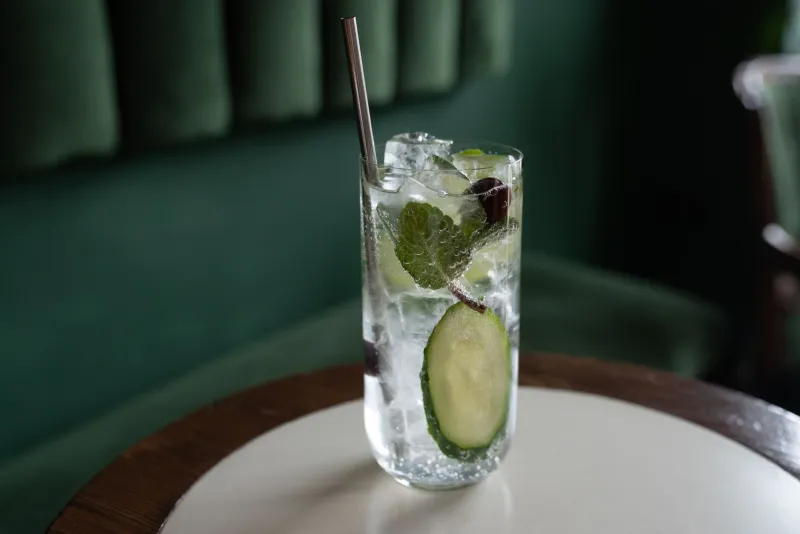
Herbal drinks want restraint. Bay leaf, thyme, sage or a small cucumber ribbon can all work, but the garnish should feel like a continuation of the drink's green notes rather than a separate salad. If the drink already has a strong herbal backbone, a simple peel may be the better move. Two strong aromatics can end up arguing in the glass.
Sparkling botanical drinks want lightness. A twist of lemon or grapefruit, a small strip of cucumber, or a single mint leaf is usually enough. Avoid heavy dried fruit or thick rosemary branches; they add visual weight and very little else. The bubbles are already doing the work. The garnish should not sit on top like a lid.
A small home garnish kit that earns its shelf space
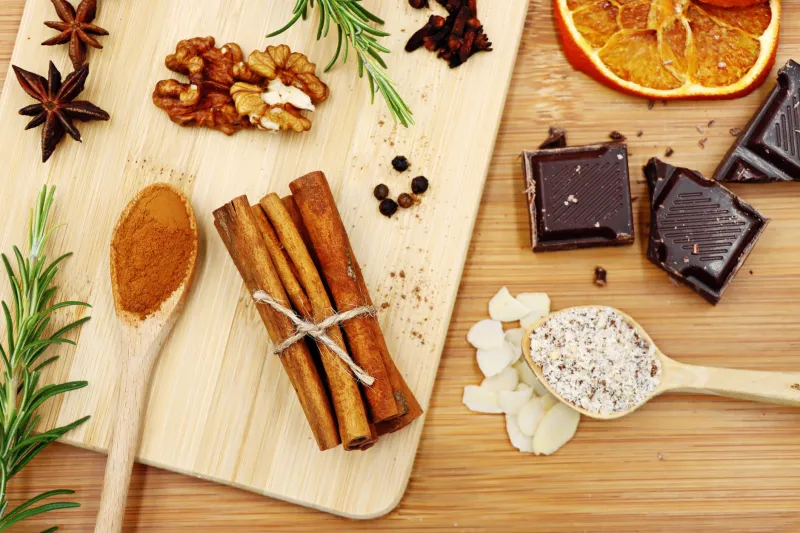
You do not need a cocktail trolley full of equipment to garnish well at home. A small kit is better, because you will actually use it. Start with a sharp peeler for citrus twists, a pair of small scissors for herbs, and a clean jar for dehydrated citrus wheels. Add a bunch of rosemary or thyme kept in a glass of water on the windowsill, and a packet of good-quality dried orange slices for the weeks when good fresh citrus is a false economy.
A small spray bottle is optional but useful. A light mist of water over herbs before serving can wake them up without soaking them. A tiny sieve for dusting cocoa or citrus zest is another quiet upgrade, though it is not essential. The point is not to build a bar. The point is to make the garnish feel deliberate.
Three rules that save a lot of disappointment
First, express the oils. A citrus twist is mostly perfume. Hold the peel skin-side down over the glass and give it a sharp squeeze so the oils land on the surface of the drink. Then wipe the rim if you like, but do not leave a thick wodge of pith floating in the glass.
Second, keep the garnish proportionate. A giant rosemary branch on a small glass is not generous; it is overwhelming. A modest sprig, a thin peel, or a single dried wheel is usually enough. The garnish should look like it belongs to the drink, not like it is trying to escape.
Third, make it plausible. If you would not want to taste it, do not put it in the glass. A garnish can be aromatic rather than edible, but it should at least be clean, fresh and relevant. A brown-edged apple slice or a lemon wedge that has been sitting out since lunch is not a garnish. It is a warning.
The glass tells you where you are
In a good UK bar, the garnish is often the smallest detail and the clearest signal. It tells you whether the person behind the bar understands that a low-alcohol botanical drink is still a drink, not a consolation prize. At home, it tells your guests the same thing. A sprig of thyme, a dried orange wheel, a clean twist of grapefruit peel: none of these are complicated. They simply say that someone paused before handing over the glass.
That is the message. Not decoration. Not performance. Just a small, aromatic indication that the drink was made with intent. The next time a tired lemon wedge lands on your low-alcohol botanical serve, you will know exactly what it is saying. The next time a rosemary sprig arrives, you will know what it is promising.