The Packet and the Pour: Giving Salt and Vinegar Crisps a Seat at the Botanical Bar
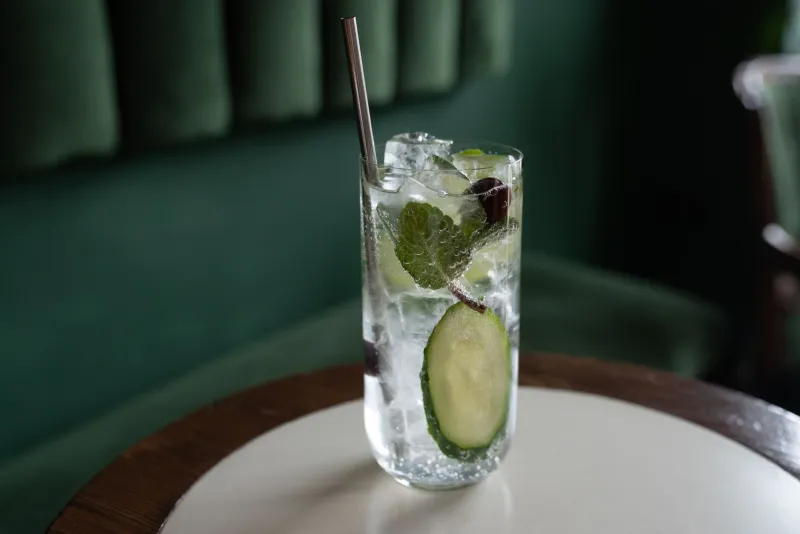
There is a moment in a British pub when the conversation stalls, the glass is half empty and someone slides a bag of salt and vinegar crisps across the table. It is not a grand tasting moment. It is a small, salty pause. But that pause is doing more work than most of us give it credit for — especially if the glass beside it holds a bitter, herbal low-alcohol botanical drink.
Salt and vinegar crisps have spent decades as the sharp-tongued cousin of the pub snack bowl. They are not the plush option. They are not the safe option. They are the bag that makes your mouth tighten, then reach for another sip. That is exactly why they deserve a closer look beside gentian, rhubarb and rosemary-led drinks.
The case for the humble packet
Low-alcohol botanical drinks often lean on bitterness. Gentian, cinchona, angelica, rhubarb root and citrus peel are there to give structure and a grown-up edge, but bitterness can feel austere on its own. It needs something to push against. A crisp does that without asking for a plate, a knife or a speech.
Salt and vinegar is a particularly useful pairing because it brings three things at once. Salt makes the palate feel fuller. Vinegar's acidity cuts through syrupy textures. The fat from the frying oil softens the harder edges of herbal notes. Put those together and a drink that might have felt tight or medicinal suddenly seems rounder, longer and more generous.
This is not about dressing up a bag of crisps as fine dining. It is about noticing that the pub already gave us a very good tasting tool, and it costs about a pound.
Why salt, acid and fat work on bitter botanicals
Bitterness is not one flavour. In a low-alcohol botanical drink it can read as clean and citrusy, or earthy and rooty, or almost tea-like. Salt and vinegar crisps are surprisingly good at meeting all three.
The salt does something simple: it reduces the sensation of dryness and makes the drink taste less thin. The vinegar adds a bright, sharp lift that mirrors the citrus peel and rhubarb notes common in botanical blends. And the fat — even the modest amount in a crisp — coats the tongue just enough to stop the bitterness from landing like a closing door.
There is also the texture. A crisp is loud, brittle and immediate. A good low-alcohol botanical drink is often quieter and more layered. The crunch keeps the pairing lively. It stops the whole thing becoming a solemn exercise in aroma.
Three matches worth trying
You do not need a cellar. You need a bottle, a bag and a glass. These are starting points, not rules.
1. Gentian aperitivo and plain salt and vinegar
A gentian-led low-alcohol aperitivo over plenty of ice is the classic bitter challenge. Its edges are firm, slightly woody and properly grown-up. A plain, thin-cut salt and vinegar crisp is the right partner here. The salt softens the gentian; the vinegar picks up the drink's citrus top notes. Keep the crisps plain rather than heavily seasoned — you want the vinegar to do the work, not a cloud of onion powder.
2. Rhubarb-and-ginger low-alcohol spritz and sea salt and vinegar
Rhubarb and ginger can tip sweet if the drink is not balanced. A sea salt and vinegar crisp — the slightly thicker, more savoury sort — gives the glass a dry, saline edge that makes the rhubarb taste more like fruit and less like syrup. The ginger's warmth lingers, and the vinegar keeps it from becoming cloying. This is a good match for a longer drink with tonic or soda, especially when the fizz is gentle rather than aggressive.
3. Rosemary-grapefruit botanical and thick-cut salt and vinegar
Herbal drinks with rosemary, thyme or sage need a crisp that can stand up to them. Thick-cut salt and vinegar crisps have more potato flavour and more fat, which rounds off the resinous herbs. Grapefruit notes in the drink meet the vinegar head-on, while the salt keeps the finish clean. It is the pub equivalent of a herb garden with a chip shop nearby.
Pub etiquette for crisp-led tasting
There is a fine line between curiosity and making a scene. The point is not to turn the local into a laboratory. Order a bag, open it on the table, and share. If you are trying two drinks, buy two small bags rather than emptying the entire snack rack. Ask for a glass of water alongside — it helps reset the palate and keeps the session civil.
Do not fuss over the crisp temperature. They are crisps. But do pay attention to the order: sip, crisp, sip. The second sip is where the pairing shows itself. The first sip tells you what the drink is. The crisp tells you what it can become.
And if the bar staff raise an eyebrow, explain it plainly: bitter drinks and salty, sharp snacks have been friends for longer than any of us have been ordering them. You are not reinventing the pub. You are just paying attention.
The last crisp
The best low-alcohol botanical drinks do not need ceremony. They need context. A cold glass, a noisy room, a handful of something sharp and salty. Salt and vinegar crisps are not a compromise on the way to a proper pairing. They are the pairing — affordable, familiar and quietly brilliant at making gentian, rhubarb and rosemary feel at home.
Next time you reach for the packet, reach for the bitter bottle too. The pub has been offering this combination for years. We have just been too busy talking to notice.