Five Cheeses, Five Botanical Sips: A Board That Holds Its Own
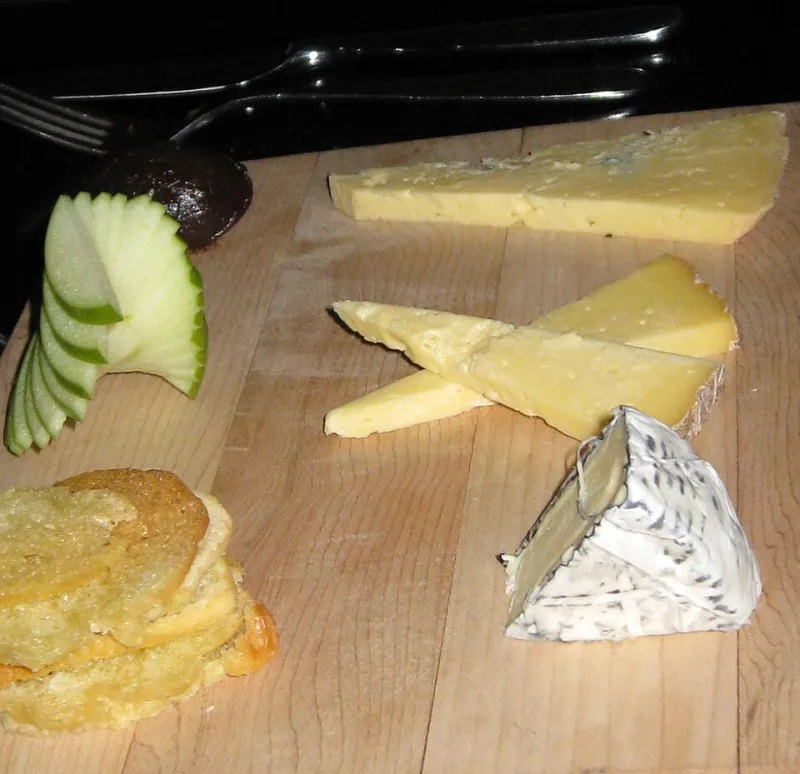
Photo: Ruth Hartnup from Vancouver, Canada, CC BY 2.0, via Wikimedia Commons
Cheese and wine is a habit, not a law. A proper British board can be just as happy with a bitter, herbal, low-alcohol drink beside it — provided the drink is chosen with the cheese, not against it. This is not about pretending a soft drink is a Bordeaux. It is about giving the board a partner that does a real job: cutting fat, lifting salt, adding freshness and keeping the whole thing moving.
Start with the board, not the bottle
Take the cheese out of the fridge at least half an hour before serving. Cold cheese tastes of very little, and no drink can rescue it. Aim for three to five cheeses with different textures and strengths: something sharp and crumbly, something blue, something milky, something soft and something buttery. Add crackers, a little chutney, celery, apple and maybe a few walnuts. Keep it simple. A crowded board is harder to pair than a focused one.
What low-alcohol botanicals bring
Bitterness cuts through fat. Acidity lifts salt and resets the palate. A touch of sweetness flatters blue cheese, but too much turns the whole board into pudding. Herbal notes — bay, thyme, sage, rosemary, gentian, chicory — can bridge the gap between rind, pasture and cracker. Low-alcohol drinks often carry more sugar than wine, so use tonic, soda, tea and citrus to keep them fresh. Serve them cold, in proper glasses, with ice and a garnish. The point is not to imitate wine. The point is to make the pairing feel deliberate.
Five pairings for a proper British board
1. Mature cheddar with a gentian and grapefruit highball
A sharp, crumbly cheddar needs bitterness and acidity. Build 25ml gentian-forward low-alcohol botanical aperitif, 100ml tonic water and a squeeze of pink grapefruit, then add a rosemary sprig and plenty of ice. The quinine and gentian cut through the fat; the grapefruit keeps the finish clean. If your aperitif is on the sweet side, add another squeeze of grapefruit rather than more tonic.
2. Blue Stilton with a blackberry, sage and black tea spritz
Stilton is salty, creamy and pungent. Sweetness helps, but it needs tannin and a herbal edge to stop it cloying. Shake 20ml blackberry and sage shrub with 100ml cold strong black tea, strain over ice and top with 60ml soda. Garnish with a sage leaf. The fruit flatters the blue, the tea adds structure and the sage keeps things savoury.
3. Wensleydale with a cucumber, elderflower and lemon verbena tonic
Wensleydale is mild, crumbly and milky. It does not want a bossy drink. Stir 15ml elderflower cordial with 100ml cooled lemon verbena tea, add two ribbons of cucumber and top with 100ml tonic. Keep the ice plentiful and the garnish light. This is a gentle, green serve that lets the cheese stay in the foreground.
4. Soft goat’s cheese with a lemon thyme and pink grapefruit collins
Goat’s cheese is tangy, creamy and slightly chalky. Acidity and herbal notes are its friends. Add 20ml lemon thyme syrup, 40ml pink grapefruit juice and 80ml low-alcohol botanical spirit to a shaker with ice. Shake, strain into a collins glass and top with soda. If you are avoiding alcohol entirely, use a good alcohol-free botanical spirit or a grapefruit tonic as the base. The result should be bright and herbal, not sugary.
5. Double Gloucester with a chicory, orange and vanilla cooler
Double Gloucester is buttery and mellow, so it can take a slightly darker, sweeter serve. Brew a strong chicory tea, cool it, then combine 100ml chicory tea with 20ml orange cordial and a single drop of vanilla extract. Pour over ice, top with soda and garnish with a strip of orange peel. The roasted bitterness stops the vanilla going soft, while the orange cuts through the cheese's richness.
How to serve without pretending
Use proper glassware. Add ice. Garnish with the herb or fruit that is already in the drink. Do not call it wine. If you are hosting, offer water alongside, and check labels if anyone is avoiding alcohol completely; low-alcohol and alcohol-free are not the same thing. If a guest wants wine, that is fine too. The point is choice, not conversion.
A board that holds its own
A good cheese board is a generous thing. It should feel relaxed, not like a tasting exam. These five serves are simply a way of giving low-alcohol drinks a proper seat at the table — one where they are chosen for what they do, not for what they are missing. Try one pairing at a time, then mix and match. The best match is the one that makes you reach for another piece of cheese and another sip without thinking about it.