A Kettle, a Tea Caddy and a Better Low-Alcohol Drink
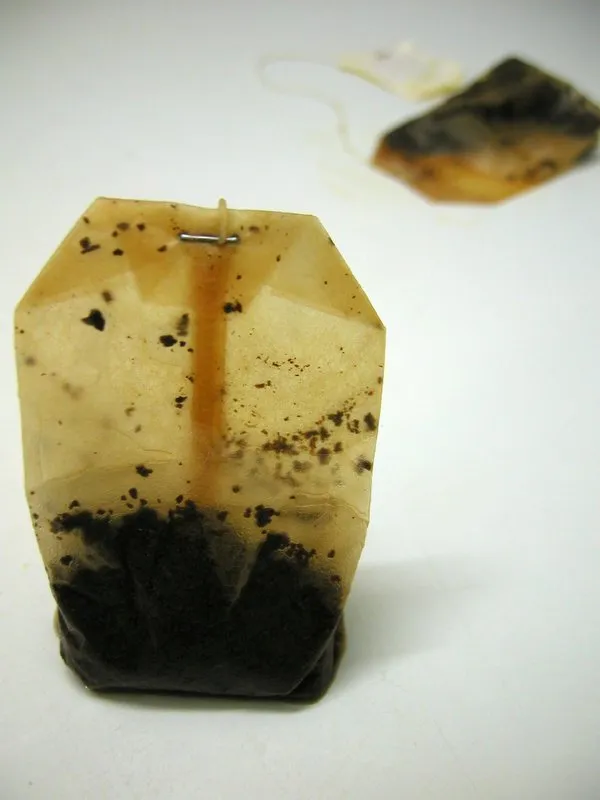
Photo: Naama ym from Tel-Aviv, Israel, CC BY-SA 2.0, via Wikimedia Commons
Most low-alcohol drinks begin with a shopping list. This one begins with a kettle. Before you head to a specialist bottle shop, look at the tea caddy: Earl Grey, chamomile, peppermint, rose, fennel and cardamom are already doing quiet botanical work in British kitchens. They are familiar, cheap to replace and far less fussy than a foraging trip. The aim is not to pretend a mug of herbal tea is a negroni. It is to use the tea shelf as a flavour pantry, then build a drink with enough texture, bitterness and garnish to feel deliberate.
The cupboard rule: infuse strong, dilute with intention
A weak cup of tea makes a weak drink. For low-alcohol serves, make a concentrated infusion, chill it properly and treat it like a cordial rather than a brew. A useful baseline is two tea bags or two teaspoons of loose botanical to 200ml of just-off-boil water. Steep according to the botanical, strain, cool and keep covered in the fridge for up to three days. This is not a long-life product; make small batches and taste before use.
For a tea-to-tonic serve, start with one part chilled infusion to two parts tonic over plenty of ice. If the infusion is very soft, move to one-to-one; if it is resinous or floral, stretch it to one-to-three. Add a garnish that echoes the botanical, not one that fights it. The tonic brings bitterness, bubbles and sweetness, so you rarely need sugar syrup. That keeps the drink firmly in low-alcohol, mindful-sipping territory without making it feel like a compromise.
Waste matters here. Leftover infusion can be frozen into ice cubes for the same drink, used to loosen a fruit compote or simply composted with the spent leaves. If you make a tea syrup for a sweeter serve, use equal weights of sugar and strong tea, simmer briefly and store in the fridge. A little goes a long way.
Earl Grey: bergamot with a savoury edge
Earl Grey is the obvious starting point because bergamot gives it a citrus peel quality that reads as cocktail-adjacent. Use one bag per 150ml, steep for four minutes and chill. Top with tonic at one part tea to two parts tonic, then add a strip of grapefruit peel. Pair it with lemon drizzle, a mature cheddar and oatcake, or a smoked fish pate on toast. The bergamot can turn soapy if you over-steep, so keep it short and taste as you go.
Chamomile: soft, apple-ish and surprisingly good with bubbles
Chamomile is often dismissed as bedtime tea, which is exactly why it works in a low-alcohol drink. Its soft apple and hay notes suit tonic better than expected. Use two bags per 200ml, steep for seven minutes, then chill. Serve one part chamomile infusion to two parts tonic with a thin slice of pear or a lemon verbena leaf if you have one. Pair with shortbread, almond cake or a simple chicken sandwich. It is a gentle drink, but gentle does not have to mean dull.
Peppermint: the palate reset
Peppermint is the most useful botanical in the cupboard when you want a drink to feel clean rather than sweet. One bag per 200ml, five minutes, then cool quickly. Avoid muddling the leaves; the infusion is already assertive. Mix one part mint tea with two parts tonic, add a lime wedge and stop there. Pair with dark chocolate, a lamb wrap or anything herby and green. It also makes a good interloper between richer snacks at a party, resetting the palate without another alcoholic drink.
Rose: floral, but not soapy
Rose is where restraint matters. Use one teaspoon of dried culinary rose petals per 200ml, steep for five minutes and strain carefully. A stronger infusion will taste like a bathroom shelf. Serve one part rose infusion to three parts tonic with a squeeze of lemon and a few raspberries. Pair with pistachio cake, raspberry fool or a soft goat's cheese. The point is a whisper of perfume, not a mouthful of potpourri.
Fennel: aniseed that earns its keep
Crush one teaspoon of fennel seeds per 200ml, steep for eight minutes and strain. The result is softly aniseed, more savoury than sweet. Mix one part fennel infusion to two parts tonic with a strip of orange peel. Pair with seafood, a fennel and orange salad or a salty hard cheese. It is especially good before dinner, when you want something aromatic but not heavy.
Cardamom: warm, green and a little unexpected
Crush four green cardamom pods per 200ml, steep for ten minutes, strain and chill. Cardamom brings a warm, almost citrusy spice that works well with tonic and orange. Start with one part cardamom infusion to three parts tonic; it is easy to overdo. Pair with carrot cake, coffee and walnut cake or a mild curry. It also makes a quietly impressive drink for anyone who assumes low-alcohol options are limited to sweet fruit cups.
The tea-to-tonic method, step by step
Make a strong infusion and chill it thoroughly. Fill a highball glass with ice, pour in one part infusion, then top with two parts tonic. Stir once, add the garnish and taste. If the drink feels thin, add a little more infusion; if it feels busy, add tonic. A drop of saline or a small pinch of salt can sharpen the botanicals without making the drink salty. Avoid adding alcohol by habit; the point is to let the tea do the work.
Waste not, sip better
Freeze leftover tea in ice cube trays, compost the spent botanicals and keep batches small. A tea caddy is not a bottomless cocktail cabinet, and that is part of its charm. It encourages you to make a drink, not a production. For curious UK drinkers who want lower-alcohol options without a pantry full of specialist bottles, the tea shelf is a sensible, inexpensive place to start.