Bitter Is the Point: Picking a Tonic That Earns Its Half of the Glass
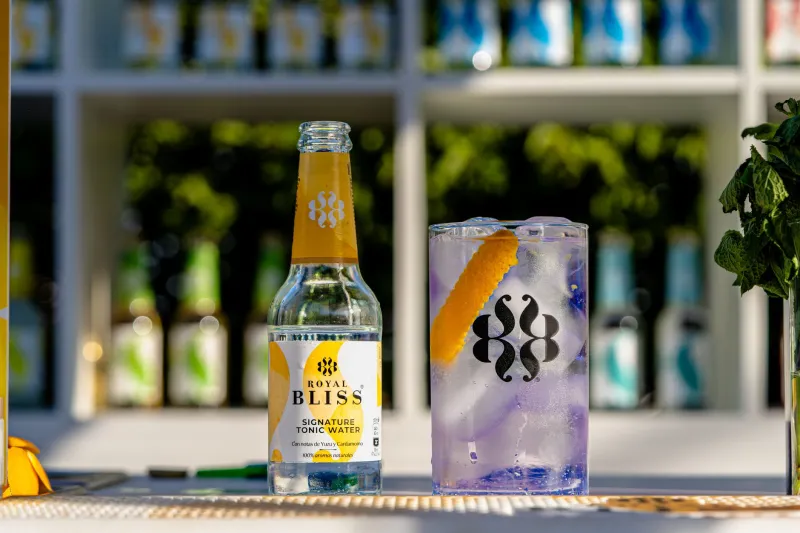
A low-alcohol botanical drink gets talked about as if the bottle is the whole story. It is not. By the time the glass reaches you, at least half the character has come from the mixer: its bitterness, its sugar, its bubbles and its temperature. Tonic is not a neutral backdrop with a nice label. It is a second ingredient, and often the cheapest one to upgrade.
The mixer is doing more work than you think
Quinine gives tonic its bitter spine. That bitterness is useful. It stops a soft, floral or fruit-led botanical pour from collapsing into squash. But bitterness is not a single setting. Some tonics are lean and brisk; others are softer, sweeter and more perfumed. Carbonation matters too. Fine bubbles lift aromatics; heavy carbonation can prick and flatten them. Sugar is the quiet variable: enough can round off rough edges, too much can bury the botanicals you paid for.
If your low-alcohol botanical drink tastes watery, the answer is not always more of it. If it tastes syrupy or dull, the answer is not always ice. Sometimes the tonic is simply the wrong shape for the pour.
Read the shelf by job, not by price
UK supermarkets have become very good at this. Own-brand Indian tonic can be perfectly serviceable, especially for a robust citrus-led serve where the botanical drink is doing plenty of talking. But own-brand ranges vary between stores and even between batches, so taste before you build a whole evening around one. Premium quinine-forward tonics are not automatically better; they are more bitter, more aromatic or more textured, which is a different job, not a promotion.
Light tonic is not a punishment. It is a tool for delicate herbal pours that would otherwise be smothered. Soda water is the cleanest option of all: no sugar, no quinine, no flavour competition. It lets a botanical drink speak in its own accent, though it will also expose any thinness. Flavoured tonics, meanwhile, are shortcuts. A grapefruit tonic can be lovely with a citrus-led drink; the same bottle can trample a green, grassy pour. Buy small bottles before committing to a multipack.
Match the mixer to the mood of the drink
For citrus-led botanical serves, look for a plain or lightly citrus-toned tonic with a dry finish. A strip of fresh peel over the top will do more than a flavoured syrup. For herbal and green serves, soda or a very dry light tonic keeps things lifted; a heavy sweet tonic can turn them into a boiled sweet. For spice-led pours, a standard Indian tonic often works because bitterness gives the spice somewhere to land. Ginger ale can be excellent, but it is a collaborator, not a background singer, so use it when you want that warmth.
Savoury and aperitivo-style serves are where a bitter, quinine-forward tonic earns its keep. It extends the finish and keeps the drink from becoming a soft drink. If the botanical pour is already quite bitter, though, do not assume more bitterness is better. Taste as you build.
Carbonation, cold and the two-bottle test
A flat tonic is not a mixer. It is a sad lesson in lost carbonation. Keep bottles cold, open them fresh and do not stir the life out of the glass. Pour gently down the side of the glass or over ice, then give it one turn, not a workout.
The most useful exercise is also the cheapest: buy two small tonics, one plain and one light or soda, and taste them side by side with the same measure of the same botanical drink. You will learn more in five minutes than from any label. You do not need a cupboard full of mixers. A plain Indian tonic, a light tonic and a bottle of soda will cover most of what a curious UK drinker actually needs. Add one premium quinine-forward bottle if you like a drier, more bitter edge, and one flavoured tonic only if you know the pour it is for.
The half-glass rule
Think of the serve as a ratio you can taste, not a recipe you must obey. If the botanical drink disappears, use less tonic or switch to soda. If the drink feels thin, use a little more of the botanical pour or a tonic with more grip. If it feels sweet, reach for light tonic or a squeeze of citrus rather than more ice. The mixer is half the glass. Treat it that way, and the cheapest upgrade in your drinks cupboard becomes the most obvious one.