A Spoonful Too Far: Rescuing Botanical Low-Alcohol Drinks From the Sugar Shelf
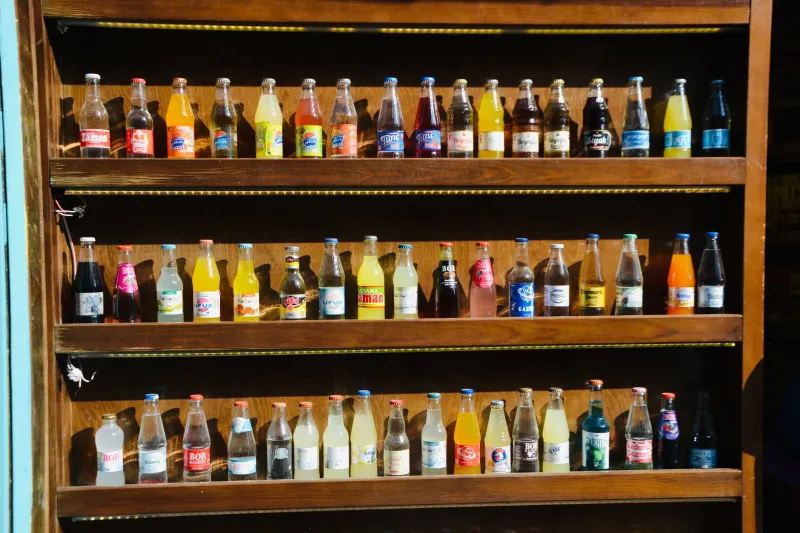
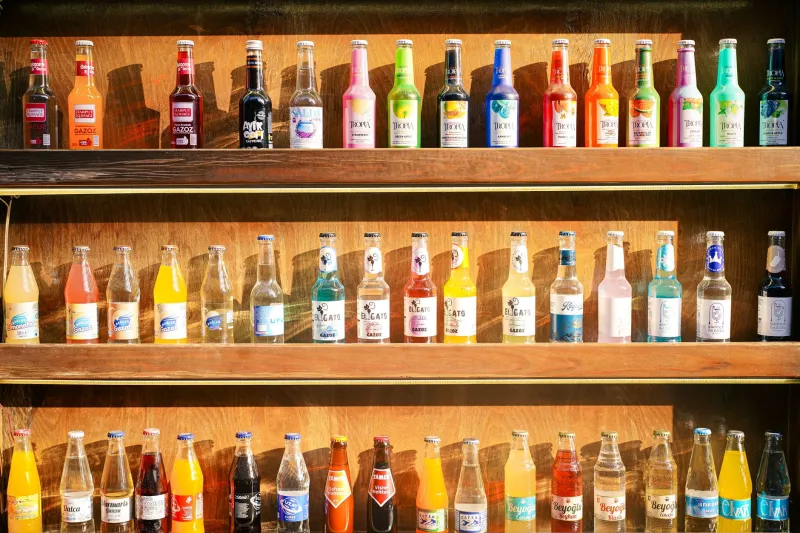
Walk into a decent bottle shop in November 2026 and the low-alcohol botanical shelf looks convincing. There are apothecary bottles, cloudy spritzes, tea-coloured aperitifs and labels that promise bergamot, gentian, rosemary and a walk through a hedgerow. Then you taste one and the hedgerow turns out to be a pick-and-mix counter. The first flavour is sweetness. The second flavour is more sweetness. The botanicals arrive late, wave politely from the back of the room and leave before you can ask them anything.
That is the sweetness trap. It is not that sweet drinks are bad. It is that sweetness has become the default setting for a category that often sells itself on complexity. If you are drinking less alcohol but still want a drink with edges, that default can be frustrating. It can also make mindful drinking feel less mindful: you swap a measured glass of wine for two or three soft, syrupy serves and end up with a palate that feels tired rather than satisfied.
Why the shelf leans sweet
Some of this is practical. Alcohol gives a drink weight, bite and aroma. Take it away and the liquid can feel thin, so producers add sugar to build body. Sugar also rounds off rough edges, balances acidity and makes a drink taste 'finished' to a broad audience. In a crowded UK market where a bottle might be bought as a gift, a picnic extra or a stand-in for gin, a soft landing is commercially sensible. The trouble is that a soft landing can flatten the very botanicals printed on the label.
There is a language problem too. 'Botanical' is a mood word. It suggests sophistication, not specification. A drink can be botanical and still be built like a cordial, with a long sweet middle and a short bitter finish. If the label gives you more plant names than production detail, taste before you trust.
The cordial test: a tasting framework for the shop
Before you buy another bottle, use a short, unsentimental check. You do not need a notebook or a sommelier face. You need to notice where the sweetness sits and what it is doing.
1. Read the numbers, then ignore the poetry. Look at sugar per 100ml and the suggested serve. A drink at 8g or more per 100ml is in soft-drink territory; a 3–5g drink can still taste sweet if it lacks acidity or bitterness. Neither is automatically wrong. The question is whether the sugar has company. If the ingredients list leads with sugar and the botanicals appear after 'flavourings', expect a cordial-style pour.
2. Ask for a taste, if the shop allows. Independent bottle shops and many online retailers offer samples or small bottles. Take it. A 20-second sip tells you more than a paragraph of tasting notes.
3. Check the finish. Sweetness should arrive, do a job and step back. If it coats the back of your throat and lingers after the botanicals have gone, the drink is likely to cloy by glass two.
4. Test the dilution. If the bottle recommends sparkling water, tonic or ice, taste it both ways. Some drinks are designed as concentrates and are perfectly balanced at a longer pour. Others are already dilute and become sweet water when you add more.
5. Notice the temperature. Ice-cold liquid hides sweetness, but it also mutes aroma. A drink that only works at freezer temperature is not balanced; it is anaesthetised.
How to dial it back at home
A syrupy bottle is rarely a write-off. Treat it as a base and adjust the structure around it. These fixes work because sweetness is relative: bitterness, salt and acid make it feel smaller, dilution changes the ratio, and temperature changes how loudly the whole thing speaks.
Bitters. A dash or two of aromatic bitters adds bitterness, spice and aroma without much alcohol. If you want a strictly alcohol-free bottle, look for glycerin-based bitters. In the UK they are easy to find online and increasingly common in good bottle shops. Start with two dashes in a long drink, taste, then add more if the drink still feels flat.
Acidity. Lemon or lime is the obvious route, but verjus, a spoonful of drinking shrub or a small amount of citric acid solution is more precise. Add acid in drops, not wedges. You are not making lemonade; you are making the sweetness sit up and pay attention.
Salt. A pinch of fine salt makes sweetness seem less shouty. A drop or two of 20% saline solution is easier to control than a pinch from the salt cellar. It will not make the drink salty; it will make the botanicals clearer and the finish shorter.
Dilution. Sparkling water, soda, tonic or a long pour over ice are all valid. Dilution is not cheating; it is blending. But use good water and add it gradually. A drink that tastes balanced at 50ml botanical plus 100ml soda may taste thin at 25ml plus 150ml.
Serving temperature. Fridge-cold, not frozen. Let the glass sit for a minute so the aroma can wake up. If a drink only tastes good when it is numb, it is hiding something.
A UK shopping lens
UK shelves are getting better, but they are uneven. Supermarket own-label ranges often play safe; independent bottle shops and online specialist retailers are more likely to stock bitter, dry or tea-based drinks. M&S and Waitrose have useful small-format options for trying before committing to a full bottle, while corner shops are reliable for tonic, soda, lemons and bitters in a pinch. Farmers' markets and food halls can be lovely for discovering producers, but ask about sugar and serve size rather than buying on label charm.
If you are shopping for a party, buy one dry, bitter bottle and one sweeter one, then let people blend. A 50/50 mix of a sweet botanical drink and a dry aperitif-style drink often lands better than either alone. Keep soda and citrus nearby. A drinks table with a bitter option is a kinder drinks table.
The mindful part
None of this is a war on sugar. Sugar is not a moral failure, and a sweet drink can be exactly right after a long walk or with a sharp cheese. The point is choice. If you are drinking low or no alcohol to feel clearer, a drink that tastes like cordial can undercut the experience: it is sweet enough to fatigue the palate but not satisfying enough to replace the ritual.
The better question is not 'how much sugar is too much?' but 'is the sweetness doing anything?' If it is carrying body, balancing bitterness or making a sharp citrus note sing, fine. If it is covering up a thin liquid, you will taste that eventually. Probably by the second glass.
A short checklist before you buy
- Taste first if you can.
- Check sugar per 100ml and the recommended pour.
- Look for bitterness or acidity on the label, not just botanicals.
- Buy small bottles before committing.
- Keep soda, lemons and bitters at home.
- Serve fridge-cold and let the glass breathe.
Botanical drinks do not need to be austere. They need to be deliberate. The best ones let sweetness work as a supporting actor, not the headline. Once you notice the cordial effect, it is hard to un-notice it. The good news is that a dash of bitters, a squeeze of lemon, a pinch of salt and a little more soda can rescue more bottles than you might expect. The even better news is that your palate gets sharper with practice. Drink slowly, taste properly, and let the plants speak.