Cold Hands, Warm Flask: A November Allotment Drinking Guide
There is a particular kind of November morning at the allotment that makes you understand why human beings invented the thermos. The ground is cold enough to sting through your gloves. The kale looks heroic. The leeks look smug. And somewhere between the third barrow of weeds and the first proper cup of something warm, the plot stops being a job and becomes a place to sit.
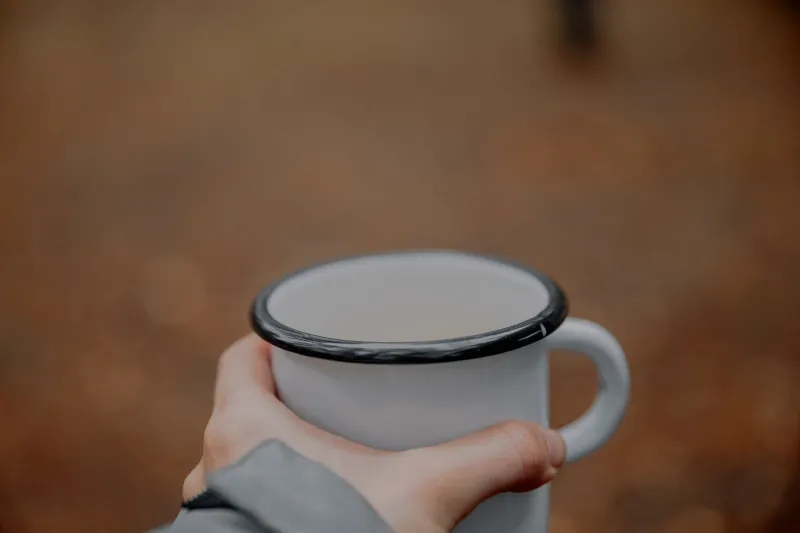
That sitting-down drink is the bit worth talking about. Not the pub afterwards, not the elaborate cocktail you saw online, but the flask on the shed bench, the enamel mug that has seen better decades, and the quiet sense that you have done something with your morning. The allotment is one of Britain’s most underrated mindful-drinking spaces, and November is when it shows its true character.
Why the Shed Beats the Pub (Sometimes)
A pub is designed for drinking. An allotment is designed for doing, and the drink is what happens after. That order matters. You have been bending, lifting, pruning and pretending to understand crop rotation. Your hands are dirty. Your neck is cold. A drink arrives as punctuation, not as the main event.
That makes it easier to drink slowly. Easier to have one and stop. Easier to notice what you are actually tasting, because you are not shouting over a playlist or balancing a glass on a table that wobbles. The plot gives you daylight, purpose, a bit of community and a natural full stop. If mindful drinking had a clubhouse, it would probably smell of damp wood, compost and someone else’s tea.
What You’ve Actually Got in November
The allotment larder in late autumn is not a lifestyle photograph. It is a carrier bag of odds and ends. A jar of dried sage from the summer. Apples laid out in a crate, slowly going floury. Rosemary still standing by the path, looking a bit tired but perfectly usable. A tub of last summer’s rhubarb in the freezer, or a jar of stewed rhubarb at the back of the fridge because you ran out of crumble ambition.
These are good drink ingredients. They are not precious. They just need a little heat, a little sweetness and a reason to be there.
Three Serves for the Shed Step
1. Sage and Apple Mug
This is the one to make in a flask on a cold morning. Sage and apple are old friends, and cloudy apple juice does most of the work for you.
For one generous mug: warm 300ml cloudy apple juice with a strip of lemon peel, a teaspoon of dried sage or three fresh leaves, and a spoonful of honey if your apples are sharp. Let it steep off the heat for five minutes, then strain. If you want a low-alcohol edge, add 25ml of a botanical low-alcohol spirit before you pour it into the flask. Don’t boil the sage hard — it goes medicinal and sulky.
2. Rosemary and Rhubarb Cordial
Make this at home and bring it in a small bottle. It keeps for a week in the fridge and turns a flask of hot water into something worth sharing.
Put 400g chopped rhubarb, 200g sugar, 600ml water and a sprig of rosemary in a pan. Bring it slowly to a simmer, cook until the rhubarb collapses, then strain through a sieve without pressing too hard. Cool and bottle. For a hot drink, stir two tablespoons into a mug of hot water with a squeeze of lemon. For a cold option, top it with soda. If you want it low-alcohol rather than alcohol-free, add a splash of low-alcohol botanical aperitif to the cold version.
3. The Thermos Toddy
This is the sharing flask. Warm 500ml water with a tablespoon of honey, a strip of lemon peel and two dried sage leaves. Let it sit for ten minutes, strain, then add 50ml of low-alcohol botanical spirit if you are using it. Pre-warm the flask with hot water first, tip that out, then fill. It will still be warm when the light starts going and someone says, “Go on then, just a small one.”
Flask Etiquette for the Allotment
Bring your own cup. This is the first rule and the only one that really matters. A spare enamel mug in your bag is a small kindness. Do not assume everyone wants the low-alcohol version, and do not assume everyone wants the full-strength one either. Ask. Offer. Label your flask if it contains something stronger than tea.
Share the first cup before you pour your own. It is not a formal ritual, but it is a good habit. If someone is clearing a bed or holding a gate, they get offered first. And if someone says no, let that be the whole conversation. The allotment is not a place where a drink needs defending or explaining.
One more thing: pack out what you pack in. A flask lid, a lemon peel and a tea bag do not belong in the compost heap unless you have actually thought that through.
The Quiet Case for Mindful Drinking at the Plot
The allotment does not ask you to perform. You can have a warm, botanical drink at eleven in the morning because you have been outside for three hours and your hands are stiff. You can also have a cup of tea, or water, or nothing at all. Nobody is keeping score.
That is the useful bit. Mindful drinking is not a lecture about moderation. It is just noticing what you are doing and why. At the plot, the why is usually obvious: you are cold, you are tired, the rhubarb cordial is warm, and the light is lovely. That is enough.
So next time you are down the allotment in November, do not rush home for the kettle. Put the fork down, find the flask, and sit on the shed step for a minute. The weeds will still be there. The sage will do the rest.
That is the Binary Botanical sort of drinking we like: botanical, low-alcohol when it suits, and always with a bit of context. No performance. No pressure. Just a mug, a bench and a morning that has earned its drink.