The Half-Empty Bottle Problem: What Happens to a Botanical Drink After Opening
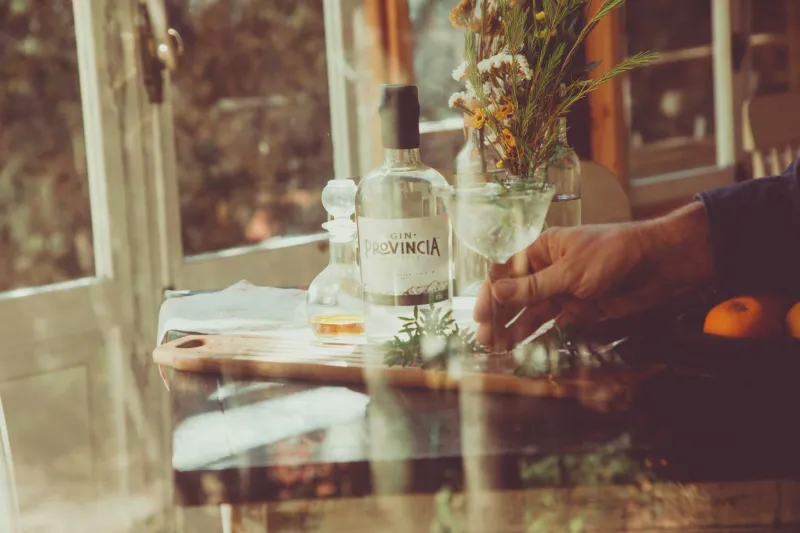
There is a particular kind of optimism in an open bottle of botanical drink. You had a glass, maybe two, felt virtuous and curious, then pushed it to the back of the cupboard beside the rice and a tin of tomatoes. Three weeks later it is still there. Is it fine? Is it fading? Is it quietly turning into something you would not serve to a friend?
The honest answer is: it depends, but not in a mystical way. Low-alcohol botanical drinks are still drinks. They contain water, sugar, acidity, plant extracts, maybe a little alcohol, maybe none. Once the seal is broken, oxygen gets in and the clock starts. The useful question is not whether it is technically drinkable, but whether it still tastes deliberate.
The two clocks inside the bottle
Think of an opened botanical drink as having two clocks running at once. The first is the aroma clock. The bright bits — citrus peel, coriander seed, fresh herbs, floral notes — are the first to go quiet. They are volatile, which is exactly why they smell good in the first place. Oxygen helps them drift off into the headspace and then into your kitchen.
The second is the texture clock. Sugar, acidity, bitterness and body change more slowly, but they do change. A drink can still be sweet and sharp while tasting hollow, like a sketch where someone has rubbed out the face. In blended low-alcohol serves, the balance can tip faster because there is less alcohol and often more fresh-style ingredients holding it together.
This is why a bottle can be perfectly safe and still disappointing. Mindful drinking is not only about strength. It is also about paying attention to what is actually in the glass.
What oxygen does, without the chemistry lecture
Oxygen is not evil. It is part of why wine and cider change, and why some drinks soften with air. But in a low-alcohol botanical drink, the useful window is usually short. The first thing you may notice is a flatter nose. Then the edges blur: the zesty top note becomes vague, the herbal middle feels dusty, the finish turns slightly cardboardy or sherry-like. In drinks with fruit or fresh-style citrus, you might get a faint cooked note. In very low-alcohol blends, a sour or stale edge can appear sooner than you expect.
Sediment is not automatically a crisis. Some botanical drinks throw a little natural deposit, especially if they contain real infusions or fruit. But sediment plus a changed smell plus a flat taste is your cue to stop. Your nose and tongue are better tools than a date stamp, though the date stamp is still the first thing to check.
The two-glass test for curious drinkers
You do not need a lab coat. You need a clean glass, a pen and a bit of honesty. When you open a new bottle, pour a small measure into a glass, smell it, taste it and write three words on the label. Something like: bright orange, bitter root, dry finish. Then put the bottle away properly.
On day three and day seven, pour another small measure. Let it sit for a minute. Smell it before you taste. Does the first note still arrive? Is the bitterness still in proportion? Does the finish feel clean or muddy? If you have a fresh bottle of the same thing, compare side by side. That is the real test: not whether it is nice, but whether it still tastes like itself.
Keep the measures small. This is a tasting method, not a challenge. If it has faded, you can still cook with it, use it in a marinade, or tip it. Do not force a sad drink just because the bottle was expensive.
Storage rules by category
Labels win every argument. If a bottle says refrigerate after opening, do that. If it says use within four weeks, believe it. The notes below are rough guides for typical UK kitchen conditions, not a guarantee.
Low-alcohol botanical spirits and aperitifs
Once opened, most are happiest in the fridge, upright, with the cap tight. A cool, dark cupboard is fine for a short while if the label allows, but a warm kitchen shelf above the hob is not. As a working rule, treat them as best within four to eight weeks, and be more cautious with anything citrus-led or lightly preserved. If the label gives a shorter window, follow it.
Ready-mixed botanical serves
These are the fripperies of the category in storage terms. They are built to be drunk, not cellared. After opening, keep them chilled and aim to finish within two to three days, five at a push if the label says so. A half-used can or bottle of a blended spritz will lose its spark and its shape quickly. Decanting into a smaller bottle helps a little; pretending it will last a fortnight does not.
Syrups, cordials and homemade infusions
These are a different risk because sugar and water can support mould. Keep them in the fridge, use clean utensils, and check for fizz, cloudiness or a fuzzy surface. Homemade botanical syrups are usually best within two to four weeks. If you have made a wild garlic or herb infusion, be stricter, not looser. When in doubt, bin it.
Decanting: the small-bottle trick
Headspace is the enemy. A half-full bottle has a lot of air above the liquid, and every time you open it you swap more air in. If you know you will not finish a bottle quickly, decant the remains into a smaller clean bottle, right up to the neck, and label it with the date. A swing-top bottle is fine if it is clean and the seal is good. A fancy decanter on the sideboard is not, unless you enjoy drinking potpourri.
Do not decant everything as a ritual. Do it when it solves a problem: a big bottle, a slow rate of use, a drink you want to keep a few weeks longer. And never decant a drink that is already fading in the hope that a nicer bottle will fix it.
Three myths worth retiring
One: botanical means preserved. It does not. Rosemary and juniper are lovely; they are not a magic cling film. Two: more sugar means longer life. Sugar can help in some products, but it also feeds microbes if the drink is low in alcohol and stored badly. Three: the fridge fixes everything. Cold slows change; it does not reverse it. A faded aperitif will still be faded, just colder.
A simple UK kitchen routine
Keep a marker pen near the bottles. Write the opening date on the label. Store low-alcohol botanical drinks away from the window, the radiator and the oven. Use the fridge for anything blended, fresh-style or labelled chilled after opening. Do a small taste before you build a whole serve. And if you are heading into a party season, buy in sizes you will actually finish rather than bottles that look good on the shelf.
The half-empty bottle is not a moral failure. It is just a drink with a shorter memory than you hoped. Treat it with a bit of curiosity, a bit of discipline and no ceremony. That is mindful drinking in practice: not less pleasure, just better attention.