A Savoury Turn: Why November Wants a Saltier Low-Alcohol Glass

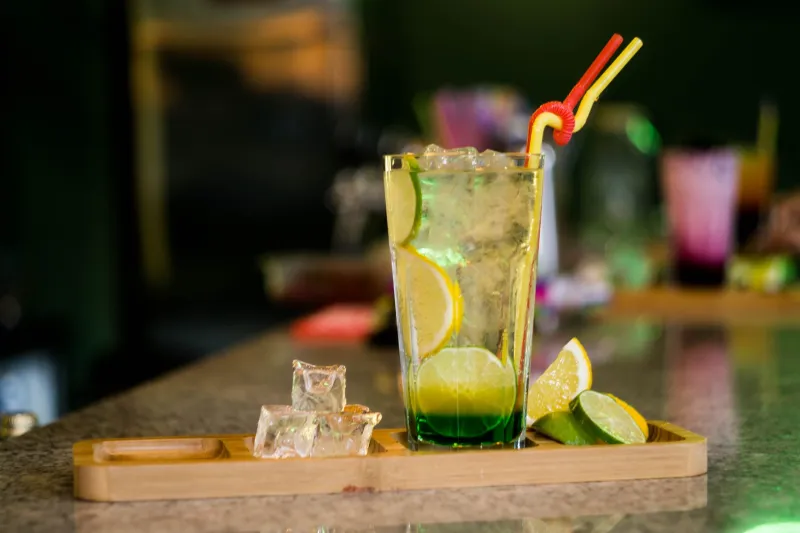
Photo: savoury low alcohol cocktail with celery salt rim and mushroom garnish on dark moody November table, via bvmsports.com
There is a moment in early November when the light leaves the day at about half past four and the body starts asking for something different. Not another sweetened botanical spritz, however pleasant. Something with a bit more shadow. A bit more salt. Something that tastes like the edge of a roast, the crust of a cheese straw, the dark corner of a mushroom.
That’s not a rejection of sweetness. It’s a recognition that low-alcohol botanical drinks have leaned heavily on it for too long. Elderflower, rhubarb, raspberry, honey — all fine in their place. But November is not always the place. When the air is damp and the pub garden has gone quiet, the palate often wants savoury depth instead: umami, salinity, green leaf, a clean acid line. The kind of drink that feels like it belongs on the table rather than in a dessert cabinet.
Why sweetness stops working in November
Sweet drinks have their own logic. They lift a summer afternoon, they carry a garnish, they forgive a lot. But in the cold months, sweetness can start to feel one-note. It coats rather than refreshes. It can make a low-alcohol drink taste thinner than it is, because sugar carries body without adding much texture. And when you’re trying to drink more mindfully — fewer units, more attention — a sweet drink can leave the palate asking for something else almost immediately.
Savoury notes do the opposite. They slow you down. They add a sense of substance without needing alcohol to do the work. A little salt makes a drink taste rounder. A little umami gives it length. A green note keeps it from feeling heavy. And a thread of acid stops the whole thing from settling into soup.
This isn’t about making a drink taste like dinner. It’s about borrowing the tools of the kitchen to give a low-alcohol botanical serve a bit more backbone.
A simple savoury framework
You don’t need a laboratory or a larder full of obscure powders. A useful starting point is to think in four directions: salt, umami, green, and acid. You don’t need all four in every drink, but two or three will give you a serve that tastes deliberate rather than accidental.
Salt can come from celery salt, a pinch of fine sea salt, or the brine from a jar of pickles. Umami can come from mushroom ketchup, a small spoon of white miso, or even a little Marmite thinned into a syrup. Green can come from tomato leaf, celery leaf, parsley stems, or a basil leaf pressed gently against the glass. Acid can come from lemon, verjus, or a splash of good vinegar — just a few drops, enough to keep things bright.
The trick is restraint. A tiny amount of miso goes a long way. Celery salt on a rim is plenty. Tomato leaf is aromatic rather than vegetal, and it works best when it’s used like a herb rather than a juice. Build slowly, taste as you go, and remember that a low-alcohol drink has less alcohol to hide behind. That’s the point.
Three November serves to build at home
The Celery Salt Spritz
This is the easiest way in. Take a low-alcohol botanical spirit — something in the 0.5% range with a juniper or herbaceous base — and pour 50ml over ice in a wine glass. Add a small pinch of celery salt directly into the glass, then top with a dry tonic or soda. Stir once, gently. Garnish with a strip of celery or a few celery leaves if you have them. The salt doesn’t make it savoury in a heavy way; it makes the botanicals taste more like themselves. If you want a little more depth, add a teaspoon of pickle brine from a jar of cornichons. It sounds odd until you try it. Then it makes perfect sense.
Mushroom Ketchup and Miso Highball
Mushroom ketchup is a quiet hero of the British larder. It’s salty, dark and deeply savoury, and a little goes a long way. For one drink, stir half a teaspoon of white miso into 15ml of mushroom ketchup until smooth, then add 50ml of a low-alcohol botanical spirit and 100ml of soda water. Pour over plenty of ice in a highball and stir. Finish with a twist of lemon peel. The result is a drink with a long, savoury finish — almost like a very light consommé crossed with a highball. It’s excellent with a handful of salted almonds or a few cheese straws.
Tomato Leaf and Verjus Cooler
Tomato leaf is one of those smells that gets overlooked. It’s green and slightly sharp, and it works beautifully in a low-alcohol drink. Make a quick infusion by steeping a small handful of tomato leaves in 100ml of cold water for ten minutes, then strain. For each serve, combine 30ml of that infusion with 30ml of verjus, 50ml of a low-alcohol botanical spirit, and a pinch of salt. Shake with ice, strain into a chilled glass, and top with soda. Garnish with a single tomato leaf. It’s bracing, green and exactly right for a dark evening when you want something that tastes awake.
Snacks that let savoury lead
The point of a savoury drink is that it doesn’t need a sweet snack to balance it. It wants salt, crunch, and a little fat. Think cheese straws, salted almonds, a small bowl of good crisps, pickled walnuts, or thin slices of cold roast beef. A piece of toast with Marmite and butter is not a cop-out; it’s a statement. If you’re feeding a few people, a plate of nibbles that leans into savoury — olives, cornichons, a wedge of mature cheddar, some celery — will make the drinks taste more intentional. The savoury note in the glass echoes the savoury note on the plate, and the whole thing feels like a proper November evening rather than a compromise.
A final note on the savoury turn
Moving low-alcohol botanical drinks toward savoury isn’t about being clever or contrarian. It’s about giving yourself more range. Sweetness is still there when you want it. But on a cold, grey Tuesday when the pub garden is wet and the fire is lit, a drink with a little salt and umami can feel like exactly what the evening needed. Start with a pinch. Build from there. And don’t be afraid to let the celery salt do the talking.