Lamp-Lit: How Winter Light Rewrites a Low-Alcohol Botanical Drink

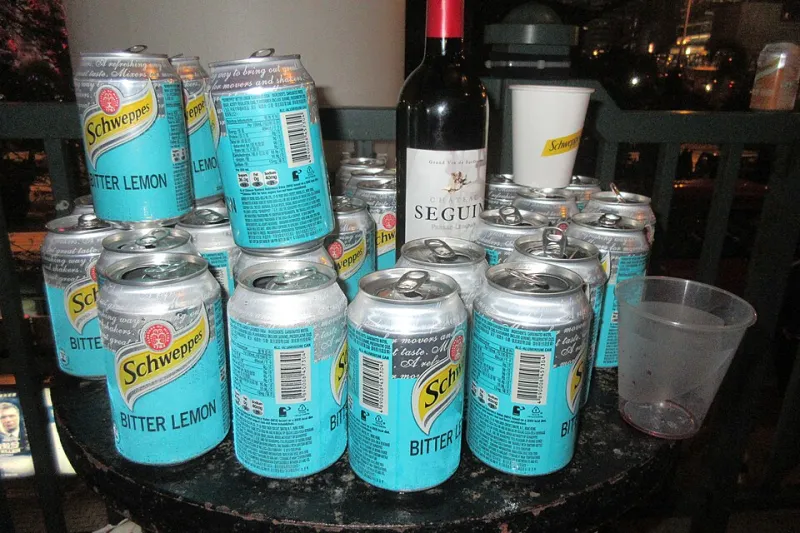
Photo: Quackdave, Public domain, via Wikimedia Commons
There's a moment in November when the kitchen window stops being a window and becomes a mirror. The sky goes bruise-coloured, the streetlights stutter on, and the drink you poured at three o'clock looks nothing like the one you photographed in July. Same bottle. Same recipe. Different light.
That's not a small thing. We talk a lot about what's in the glass — the botanicals, the bitterness, the sugar — but we rarely talk about the lamp above it. Winter darkness is not just a backdrop. It's an ingredient, and it's one most of us never think to adjust.
The Big Light Is Not Your Friend
Start with the most common culprit: the overhead kitchen light. Most of us have one, and most of them are cool-white LEDs that turn a delicate amber low-alcohol aperitif into something that resembles cold tea. Herbs lose their green. Citrus peel looks like a piece of old leather. The whole drink flattens.
It's not snobbery to say the light matters. Colour is the first thing your brain uses to predict flavour. A pale, straw-coloured botanical pour under a harsh downlight reads as thin and watery before it's even touched your lips. The same liquid in a warm pool of lamplight reads as bright and deliberate. Your palate follows your eyes more than you'd like to admit.
At home, the fix is simple: kill the big light. Use a lamp at counter height, a warm bulb, or a candle. You're not aiming for a restaurant; you're aiming for light that falls on the glass rather than interrogates it.
In a pub or bar, you have less control, but you're not powerless. Ask for a seat away from the till's LED strip. Choose the corner with the wall lights. If the only available light is a fluorescent panel, order something with a visible garnish — a sprig of rosemary, a wide strip of grapefruit peel — so there's something for the eye to hold onto besides the liquid.
What Candlelight Actually Does
Candlelight is the obvious winter cliché, but it earns its reputation. It pushes everything towards red and yellow, which flatters amber and copper drinks and makes dark botanical liqueurs look richer than they are. It also throws shadows, and shadows are useful. A rosemary sprig in candlelight becomes a silhouette; in overhead light it's just a garnish.
The catch is that candlelight can make green herbs look grey and can hide the clarity of a drink you've taken trouble to strain. If you're serving something delicate and pale, a single tea light a metre away is often better than a cluster of candles on the table. You want the glass lit, not cooked.
Tinted Glassware Is Doing More Than You Think
There's a reason so many low-alcohol botanical serves arrive in amber or smoked glass. Tinted glass adds visual weight. A pale, fizzy spritz in a clear tumbler can look like sparkling water with a garnish; in an amber glass it reads as a proper drink. In winter, when the light is already low, that little bit of borrowed colour does a lot of work.
But tinted glass has a cost: it hides the truth. If a drink is too sweet, or too thin, or has gone slightly flat, a dark glass will keep the secret for a few sips longer. That's not always a bad thing — a bit of theatre is part of the pleasure — but it's worth knowing. If you're tasting a new low-alcohol botanical for the first time, pour a small measure into a clear glass as well. Let the light tell you what you're actually drinking.
The Nose Knows Less After Dark
Winter rooms are often cooler, and cooler rooms hold aromas closer to the liquid. A drink that sang with grapefruit peel on a warm July evening can seem mute in a chilly front room in November. Cold also suppresses our perception of volatile compounds, which is why a very cold low-alcohol pour often tastes like less than the sum of its parts.
The practical answer is to let the glass sit for two minutes before you drink. Not long enough to lose the chill, just long enough for the nose to wake up. Then give it a little help: express a fresh twist of citrus over the top, tear a mint leaf, or grate a little ginger over the surface. You're not fixing a bad drink. You're giving a good drink a fair hearing in difficult conditions.
Sharper, Brighter, Bitter
This is the case for serving low-alcohol botanical drinks differently after sunset. In summer, a soft, floral, gently sweet pour works beautifully because the light is doing half the work: the colour is bright, the aroma is lively, the glass looks like a garden. In winter, that same drink can taste like a faded photograph.
Darkness mutes the visual cues of sweetness, so the palate starts looking for structure. It wants acidity, bitterness, a bit of grip. That's why a low-alcohol aperitivo with gentian and burnt orange feels more alive at six o'clock in November than it did at noon in June. It's also why a dash of lemon or verjus can rescue a drink that seems flat — not because it needed more sugar, but because it needed an edge.
At home, try this: take your usual botanical serve and split it into two small glasses. Leave one as it is. Add a teaspoon of lemon juice and a little extra tonic to the other. Taste them side by side under the light you'll actually be drinking in, not the daylight you mixed in. Most people find the sharper version reads as more complex after dark, even though it contains less sugar.
A Small Ritual for the Early Night
None of this requires new equipment or a bigger drinks cabinet. It requires noticing. Light the lamp before you pour. Put the glass where the light falls softly. Let it sit. Smell it before you sip. If it tastes muted, add a little acid or a little bitterness before you add anything sweet.
Winter darkness gets a bad press, but it's not the enemy of a good low-alcohol botanical drink. It's a change of conditions, and conditions can be worked with. The drink that tastes thin under the big light often tastes generous by lamplight. You just have to give it the right room to be in.