Sharp Practice: Putting Bitter Lemon Back Behind the Botanical Bar
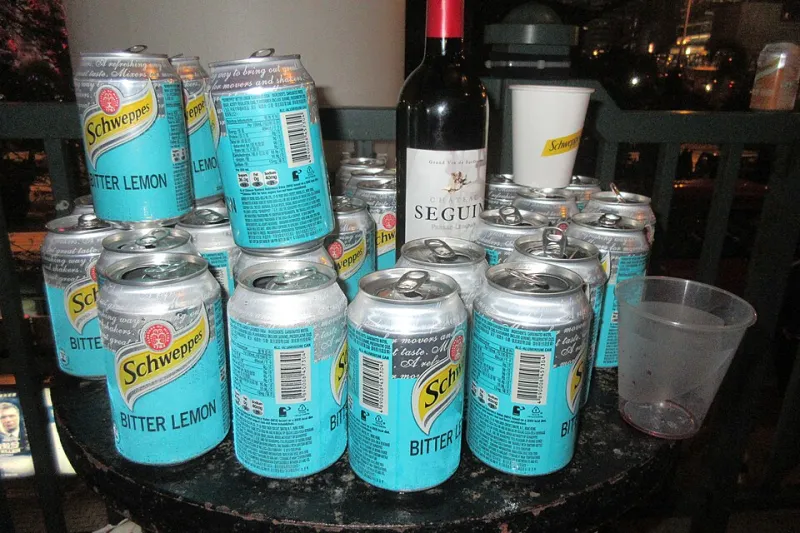
Photo: Shuem Hongai, CC BY-SA 4.0, via Wikimedia Commons
The bottle nobody orders first
Bitter lemon has an image problem. It is the drink that gets bought for a picnic and forgotten, the mixer that sits behind the tonic at the corner shop, the bottle that makes people say, oh, my nan used to have that. None of which is a fair summary of what is actually in the glass. Bitter lemon is tart, bright and quietly bitter, with a structure that can hold its own against herbs, peel and a low-alcohol botanical pour. In a year when so many soft drinks are trying to be everything at once, it is almost refreshingly plain-spoken.
This is not a campaign to make bitter lemon fashionable. It is a case for taking it seriously. For the mindful drinker, it offers something useful: a mixer with enough bite to make a low-alcohol serve feel finished, without tipping into the syrupiness that can make a second glass feel like a chore.
A mixer with a proper past
Bitter lemon belongs to the long UK tradition of bitter soft drinks: the sort of things that grew out of quinine tonic, citrus cordials and the pub habit of stretching a drink with something sharp. It has been on shelves and bar mats for decades, moving between the off-licence, the supermarket and the home drinks cabinet. Its heyday may be behind it, but its logic is not. Bitter lemon was built for the same job that modern botanical mixers now claim to do: give a drink a clean edge, a citrus lift and a finish that asks you to take another sip.
The word botanical is doing a lot of work on labels at the moment. Bitter lemon does not need to shout about it. Lemon peel, quinine and a little sugar are already a botanical trio of sorts. The drink is a reminder that a mixer does not have to contain twenty ingredients to taste deliberate.
What bitter lemon gets right
The best versions are not lemonade with a frown. They have a clear citrus attack, a soft bitterness underneath and just enough sweetness to keep the whole thing from turning into a dare. That balance is exactly what many low-alcohol botanical drinks need. Too sweet and the herbs get buried. Too bitter and the glass feels medicinal. Bitter lemon sits in the useful middle, especially when you add a low-alcohol gin-style spirit or a herbal aperitif.
It also has a practical advantage: it is widely available. You do not need a specialist bottle shop to find it. That matters if you are trying to build a more mindful drinking routine without turning every trip to the shops into a research project. A decent bottle of bitter lemon, a lemon, a sprig of rosemary and a bag of ice can take you a long way.
The supermarket test
The supermarket own-brand bottles are the ones to start with, mainly because they vary so much. Some are bright and lemon-heavy, with a bitterness that arrives late and leaves quickly. Others are sweeter than expected, closer to a lemonade with a tonic edge. Neither is wrong, but the sweeter ones need more help in the glass. Chill them hard, pour over plenty of ice and add a strip of lemon peel to bring the aroma back up.
A well-known branded bitter lemon tends to be more consistent: sharper, more carbonated and with a bitterness that hangs around for a moment. That consistency is useful if you want a reliable mixer for a low-alcohol botanical spirit. It is also a good reminder that bitter lemon is not a subtle drink. It wants to be noticed.
The craft-leaning versions are where things get interesting. In a small sample from regional drinks makers, the best bottles tasted more like a soft drink in their own right: less sweet, more textured, with a peel-led fragrance rather than a lemonade-style hit. Some were almost too polite to work as mixers. If a craft bitter lemon tastes lovely on its own but disappears when you add a botanical spirit, keep it for the sofa rather than the bar. The mixer needs a little grip.
Garnish is not decoration
Bitter lemon is generous with garnish because it has a clear citrus line to work with. A broad strip of lemon peel is the obvious starting point, expressed over the glass so the oils hit first. From there, you can go herbal. Rosemary is a natural fit: resinous, a little savoury and very good with the bitter edge. Thyme works in the same direction but with less swagger. Basil brings a softer, greener note that suits a low-alcohol aperitif style. Lemon thyme is the neatest trick of the lot, because it doubles down on the citrus without adding more sweetness.
Keep the garnish simple. One herb, one peel, plenty of ice. Bitter lemon does not need a fruit salad on top. It needs a little aromatic lift and a clean glass.
A syrup for a more deliberate serve
If you want more control over the sweetness and the bitterness, a homemade bitter lemon syrup is worth the effort. It will not be a exact replica of a commercial bottle, because the quinine bite is hard to recreate at home. But it makes a very good drink in its own right, and it gives you a base you can adjust to your taste.
Put 200g of sugar and 200ml of water in a pan with the zest of two lemons and a strip of grapefruit peel. Warm gently until the sugar dissolves, then take it off the heat and leave it to steep for twenty minutes. Add 100ml of fresh lemon juice and a small pinch of salt. Strain, bottle and keep it in the fridge. For a more bitter edge, add a few drops of food-grade gentian tincture to taste, rather than trying to improvise with cinchona at home. Gentian is easier to control and it keeps the syrup in the realm of the botanical rather than the medicinal.
To serve, put 30ml of the syrup in a tall glass with ice, top with about 150ml of soda water and stir once. Add a lemon peel and a rosemary sprig. If you want a low-alcohol botanical serve, add 25ml of a low-alcohol gin-style spirit before the soda. The result is sharper and less sweet than most shop-bought versions, with a bitterness that you can dial up or down.
The case for keeping a bottle
Bitter lemon is not asking to be the star of the shelf. It is asking to be useful. It gives a low-alcohol drink a clean, citrus-led edge without the sugar slog, and it works with the sort of herbs and peels that already live in a botanical drinks cupboard. In 2026, when the low-alcohol aisle is crowded with bottles making very large claims, that modesty is part of the appeal.
So put one at the front of the fridge. Chill it properly, pour it over good ice and give it a herb sprig. Bitter lemon has been waiting long enough.