Gravy, Yorkies and a Bitter Edge: Drinking Low-Alcohol Through the Sunday Roast
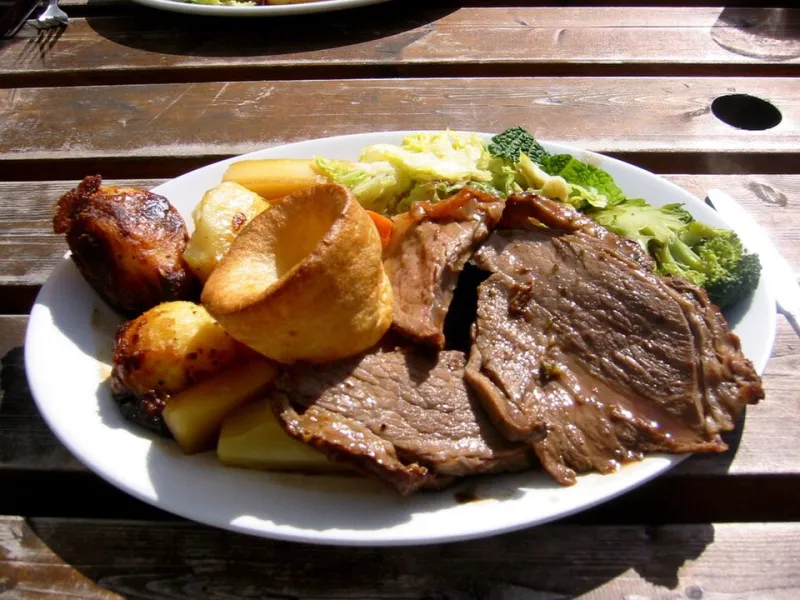
Photo: Jeremy Keith (Flickr user "adactio"), CC BY 2.0, via Wikimedia Commons
Sunday lunch is where low-alcohol drinks earn their keep. It's long, it's salty, it's built on fat and gravy, and nobody at the table is counting what's in your glass once the roast potatoes arrive. And yet people still agonise over it, usually because they're trying to pair the drink with the meat instead of with everything else on the plate.
That's the wrong axis. A roast is not a steak. It's a system: salt, fat, gravy, sweetness, acid, and a Yorkshire pudding that's essentially a delivery mechanism. Pair with that system and the glass sorts itself out.
Three rules, then the table
Bitterness before sweetness. Gravy is salty and rich. A drink that's sweet will disappear under it or, worse, taste sweet and thin. A drink with real bitterness — gentian, quinine, grapefruit peel, roasted chicory — cuts through fat and comes back for more.
Cold and fizzy beats cold and flat. Carbonation is a palate reset. Across a plate with five components, you want a drink that clears the decks between mouthfuls rather than one that sits and accumulates.
Match the gravy, not the meat. Turkey, beef, lamb and chicken all end up wearing roughly the same gravy. It's the sauce — horseradish, mint, redcurrant, bread sauce — that decides which way your glass should lean.
What to pour with each thing on the plate
Yorkshire pudding and gravy
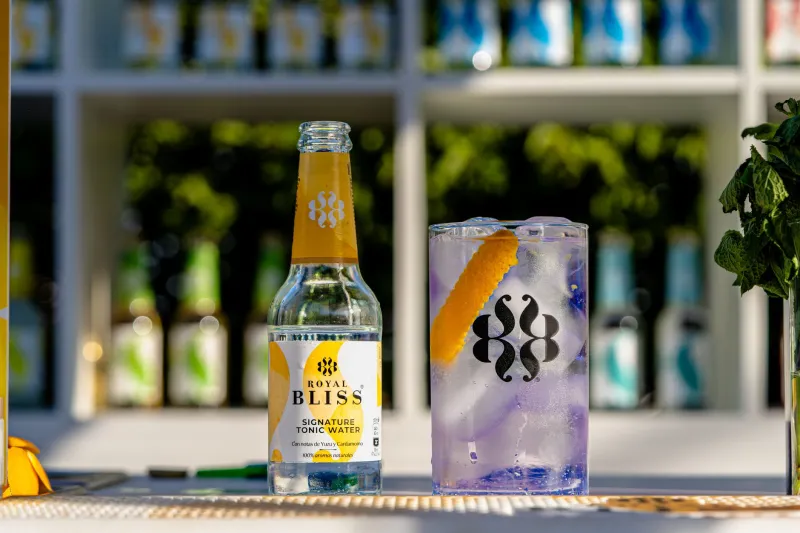
High carbonation, brisk bitterness, nothing creamy. A bitter botanical aperitif topped with tonic, in a highball, is close to ideal here. The fizz lifts through the batter and the bitterness stops the gravy turning everything to a savoury paste in your mouth. Avoid soft, rounded drinks — they read as sweet against the fat.
Roast potatoes and anything roasted in fat
Acid is your friend. A drink with lemon peel, grapefruit or a touch of vinegar shrub cuts the oil and makes the next potato taste as good as the first. This is where a longer, drier highball outperforms a shorter, richer pour.
Parsnips, carrots, swede, squash
Root veg carries real sweetness, especially when it's been roasted hard. Reach for herbal instead of sugary: rosemary, sage, thyme, bay. A botanical drink with a green, resinous edge sits beautifully alongside a honeyed parsnip. A floral elderflower-style drink does not — it flattens everything into perfumed mush.
Greens and cabbage
Slightly sulphurous, slightly bitter, easily bullied. Citrus is the answer. A squeeze of lemon over the plate is not a crime, and neither is a drink built on bitter orange peel.
Stuffing and sage and onion
Herbal, salty, sage-forward. Almost anything dry and botanical works. If your drink has a rosemary or juniper note in it, this is the mouthful where you'll notice.
Cauliflower cheese
Dairy is the hardest thing on the table. Without acidity, a cheese sauce coats the palate and kills your drink. With it — a taut, bitter, citric pour — the whole plate opens up. If there's a moment in the meal where a flat, sweet drink will fail, it's this one.
Horseradish, mint sauce, redcurrant jelly
Don't fight pungency. Horseradish wants a clean, cold, bitter glass and no competition. Mint sauce is vinegar-forward, so lean citric. Redcurrant jelly, being sweet and sharp, is best met with a drier pour than you'd expect — resist the urge to match sweetness with sweetness.
What to leave in the cupboard
Dessert-sweet serves, vanilla-heavy or oak-influenced drinks, and anything so aromatic it announces itself across the table. Also leave behind the second pour you didn't really want. A roast is a marathon of small mouthfuls; a drink that starts strong and finishes heavy gets abandoned by the third potato.
And watch the ice. A big highball topped generously will be watery by pudding. One or two large cubes, and don't overfill with tonic at the start.
A pour order that actually works
Before the table is set: something dry and bitter over ice with tonic, in a small glass. It sharpens the appetite and stops you grazing the crisps.
Through the meal: one long highball, 50ml botanical to 150ml mixer, built in the glass with big ice. It should last the whole plate. If it doesn't, that's what the jug is for.
Afterwards: a small pour of something bitter on a single cube, or an orange-peel-forward drink with a little less fizz. Not a dessert drink. Something with a dry, digestive edge that makes the last of the gravy feel like a good decision.
The confidence bit
The great advantage of low-alcohol drinking at a roast is that it fits the shape of the meal. Two hours at the table, several small courses, a lot of talking, and a genuinely long afternoon afterwards. Lower-strength botanical serves let you keep pace with the table rather than bow out at 3pm, and the flavour profiles — bitter, herbal, citric — happen to be exactly what salty, fatty, sweet food wants.
So pour something with a bitter edge, keep the glass cold, and stop worrying about the meat. It's the gravy that's in charge.