Sow Now, Sip Later: A Garnish Garden That Earns Its Keep by January
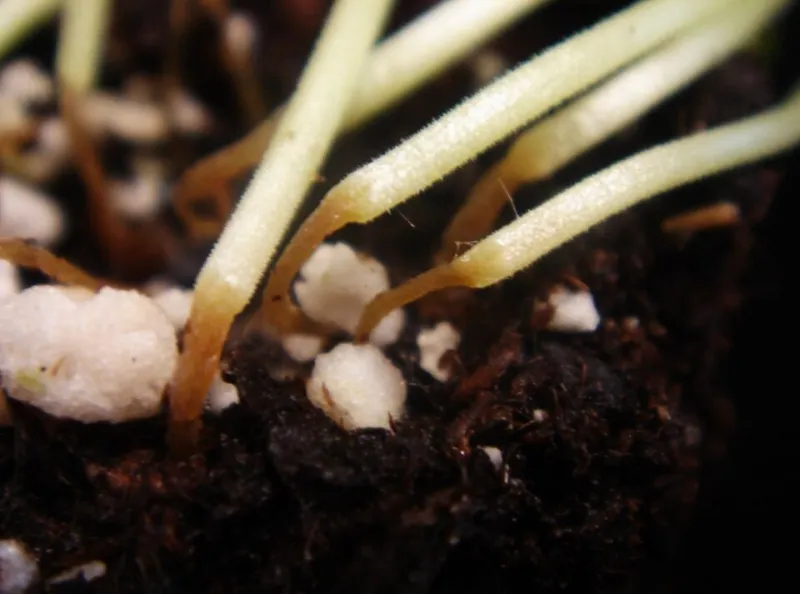
Photo: Bedlan Gerhard, Dr., Institut für Pflanzenschutz, BOKU, Tulln, Österreich., CC BY-SA 4.0, via Wikimedia Commons
Seed catalogues have a habit of landing on the doormat in the same week the Christmas bottles come out, which looks like terrible timing and turns out to be exactly right. The herbs you start in the new year are the herbs you will be picking in the cold, and the drinks that want them do not really arrive until January. A garnish garden is not a summer hobby with a hole in it. It is a slow, slightly stubborn ritual that pays out at the point when supermarket sprigs are at their most tired and most expensive.
Here is a plan for 2027 that works on a windowsill, a balcony, an allotment or a shared back yard — no greenhouse, no heroics.
Start with the plants that survive
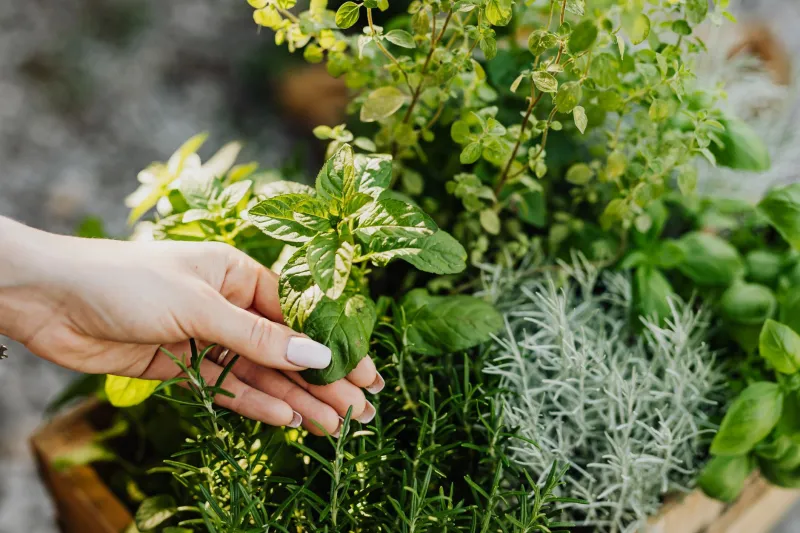
Hardy first, because disappointment is expensive. Rosemary, thyme, sage, bay and winter savory will come through a normal British winter given two things: drainage and shelter from the worst of the wind. Grit mixed through the compost, a pot with a decent hole, feet clear of standing water, and they will shrug off a frost that would finish off anything softer.
Mint will vanish entirely and return in March. Leave the pot alone. Do not tip it out in a January tidy-up, because that is how people lose a plant that was never actually lost. Parsley is a biennial, so the plant that gave you a summer of leaves will bolt and go woody in its second year — sow fresh rather than coax it back.
The tender ones need a decision, not optimism. Lemon verbena, basil, coriander, dill and chervil all want warmth and light, and a British November gives them neither. Treat them as annuals, sow them in spring, and bring anything in a pot indoors before the first proper cold snap rather than after it.
The windowsill maths
A south-facing windowsill in February is a weak imitation of a greenhouse, but it is enough for seedlings if you are honest about it. Light falls off sharply the further you get from the glass, so rotate pots a quarter turn each week and keep the smallest seedlings closest to the pane.
Terracotta dries out faster than plastic, which is useful in July and a nuisance in December. Water less than you think in winter — damp compost and cold glass is how root rot starts. A saucer of gravel under the pots keeps things tidier and keeps the sill from staining, which matters if you rent.
If you only have one shelf, spend it on thyme and mint. They are the two garnishes you will reach for most often, they cope with being cut hard, and they earn their space in a way that a single sad basil plant never quite does.
A sowing calendar for 2027
- November and December 2026: order seeds and take cuttings of rosemary and sage. Cuttings taken now, kept on a bright sill, will be sturdy plants by spring and cost you nothing.
- January: sort the seed tin, bin the packets from three years ago, and decide which two or three herbs you will actually use. Ordering twelve varieties is a form of shopping, not gardening.
- February and March: sow basil, parsley, coriander and dill under cover on the sill. Thin ruthlessly.
- April and May: harden off gradually — a week of days outside before nights outside — then plant out into pots or beds.
- June and July: pinch the tops to keep things bushy, and start harvesting for the stash rather than only for the glass.
- August and September: sow a second round for the autumn windowsill, and freeze the glut rather than watching it go over.
- October to December: cut back, mulch, move pots against a wall, and let the stored stash carry the drinks.
Citrus, without the conservatory
Most of us are not growing lemons, and that is fine. The rind is the workhorse of a botanical garnish and it comes free with the fruit. Buy unwaxed, take the zest off with a microplane before you juice the thing, and freeze it in a small labelled jar. It goes straight from frozen into a glass without any noticeable sulk.
Wider strips of peel — pared with a vegetable peeler, avoiding the pith — can be dried on a plate for a few days and kept in a jar for stirring into syrups or dropping into a long drink. A Meyer lemon in a pot by a bright window is possible, and quite lovely, but buy one because you want a lemon tree, not because you expect a garnish farm.
Building the stash
Drying is the least fussy method and the easiest to get wrong by rushing. Bunch the herbs, tie them with string, drop each bunch into a paper bag with a few holes punched in it, and hang it somewhere dark and dry for a fortnight. The bag catches the leaves as they drop and keeps the dust off. A low oven with the door ajar works in an afternoon if you are impatient; keep the heat gentle and check every ten minutes, because dried-to-powder is a one-way trip.
Freezing suits some herbs better than drying. Whole mint and basil leaves frozen flat in a bag keep their colour and their point; chopped herbs frozen in ice cube trays look clever but dilute the drink, so if you are going to freeze in water, freeze for the jug rather than the glass. Thyme and rosemary freeze well on the stem and can go into a drink frozen, where they will slowly thaw and start to speak.
Label everything with a date. A six-month rule is a reasonable one for leafy things, longer for hard herbs and zest. A jar of anonymous green dust is not a garnish; it is a mystery.
The January test
A short pour to prove the point: a low-alcohol botanical spirit over ice, a good tonic, a frozen sprig of thyme and a strip of the dried peel. Nothing you could not have grown or saved in November. That is the whole argument for the seed catalogue, really — not self-sufficiency, just a garnish that has not spent a week in a lorry.
Why the sowing counts
The ten minutes spent watering a windowsill in February are ten minutes not spent scrolling, and the act of picking a sprig rather than pulling a plastic packet out of the fridge changes the pace of making a drink. It is the same mindful-drinking logic that applies to the glass itself: attention is the ingredient that costs nothing and changes everything. The garden just makes you pay it a little earlier in the year.